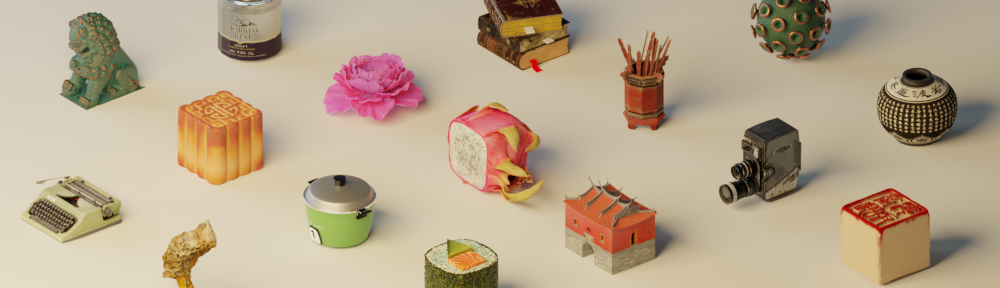
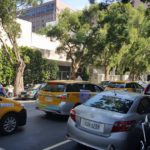
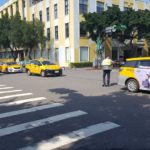
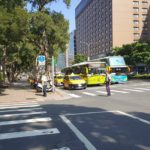
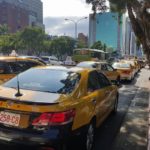
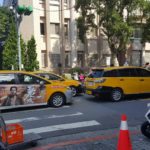
Last week I saw taxis besieging the Executive Yuan (between Shandao Temple and Taipei Main MRT) over the government’s failure to crackdown on Uber quickly enough. Taxi drivers were protesting because of Uber’s refusal to be subject to taxi regulations in Taiwan and it’s refusal to clarify its tax status. My colleagues at work had a related discussion last week over whether existing (over?) regulation is strangling disruptors in the interest of maintaining the status quo. While there were a wide range of opinions as to whether Uber is, in fact, bringing anything new to the Taiwanese industry as a disruptor or whether it’s just trying to dodge consumer protection regulations and tax, the conversation can be extended beyond Uber to the financial sector and further afield. Some of my colleagues thought the government was being too cautious when it comes to providing legislative flexibility to innovative industry disruptors while others thought existing legislation was just common-sense protection for industry players and consumers? The government announced that they are going to launch “diversified” taxis, but it’ll be interesting how the story develops beyond just the Uber issue.
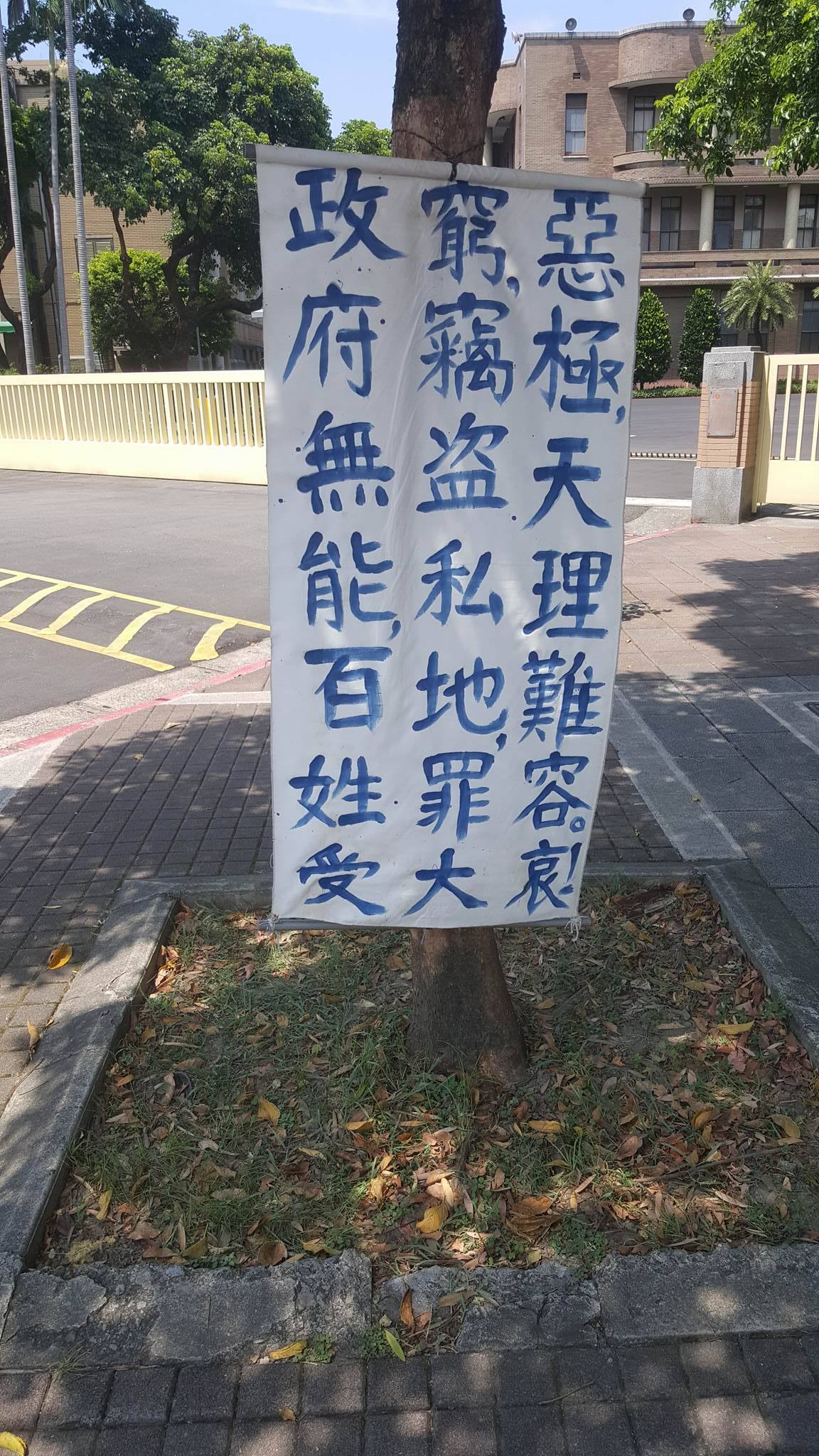
About a week prior to the taxi protest, I was passing by the front of the Executive Yuan when I saw this protest placard, along with a single protester. It reads:
政府無能, [When] the government is inept,
百姓受窮, the ordinary people are forced to live in poverty;
竊盜私地, Stealing private land
罪大惡極, is an extremely pernicious crime.
天理難容。 [which] the heavens cannot tolerate.
哀! Woe!
I’m not sure if it was a specific grievance as I didn’t stop to chat, but maybe someone can help me out in the comments section.
I saw the banner below outside my friend’s housing development when she invited me for a barbecue/pool party there (near Qizhang MRT – opposite Carrefour):
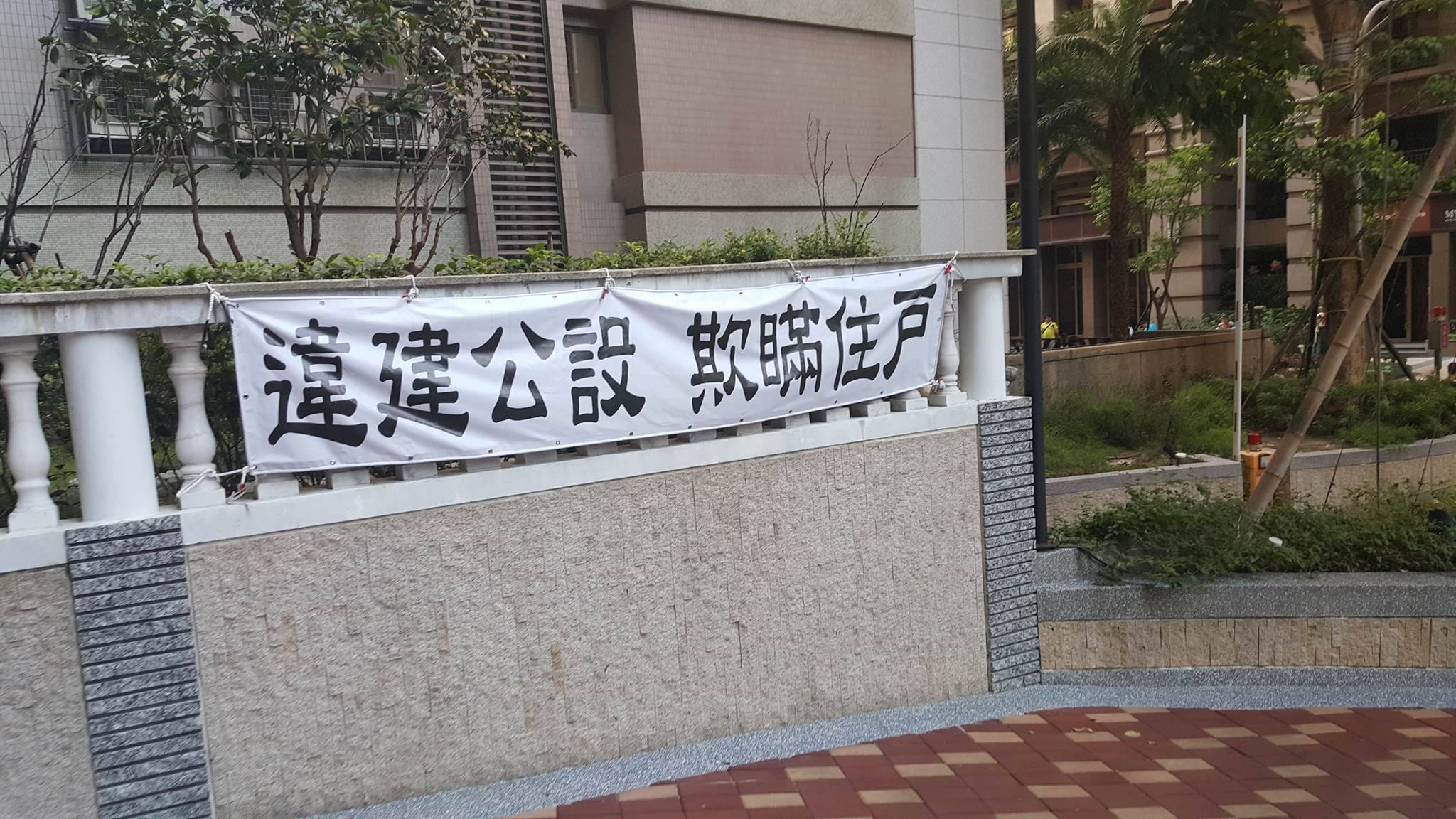
Common facilities (of a residential complex) are illegal buildings, the residents have been lied to
From what I’ve gleaned from the internet, this is a controversy over certain common areas of a residential complex which were built without planning permission by the developers. The city government then demolished or plans to demolish these areas and the residents are protesting because they were sold their apartments under false terms.
If you’ve seen any disgruntled looking peeps holding signs let me know in the comments section!


 If you’ve been in Taiwan for a substantial period of time but didn’t grow up here, chances are you’ve sat on the outskirts of an hilarious conversation involving characters from the books of martial arts novelist Jin Yong (also known as Louis Cha) during which you’ve had completely no idea what was going on, or what the jokes were about. This has been my fate on several occasions, as, although I’ve bought several volumes of Jin Yong’s novels, I’ve never mustered up the courage to commit to reading a whole one and they’re currently rotting on my shelves. Given that generations of teenagers in Taiwan have read most of the Jin Yong canon, there are a lot of mainstream cultural references that revolve around these books.

 Although I’ve tired slightly of all but the most bizarre Chinglish signage, I thought this one was of note because it can be read as a covert injunction to aspiring paper artists everywhere – “Don’t rely on this kind of work, man.”

