The NHI-funded COVID-19 vaccine appointment booking website has been released.
First of all, if you haven’t already downloaded the NHI app and logged in (the same one used to book masks) you can find instructions here.
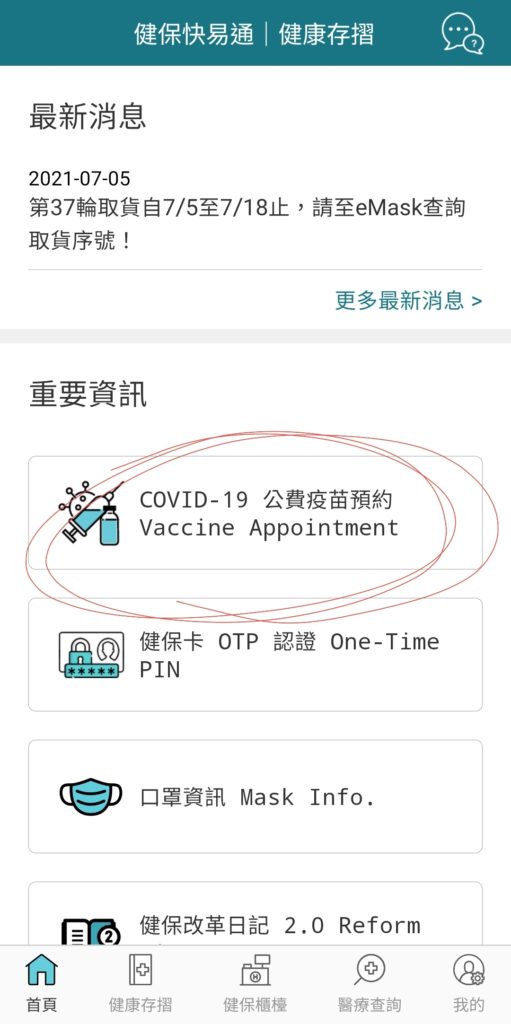
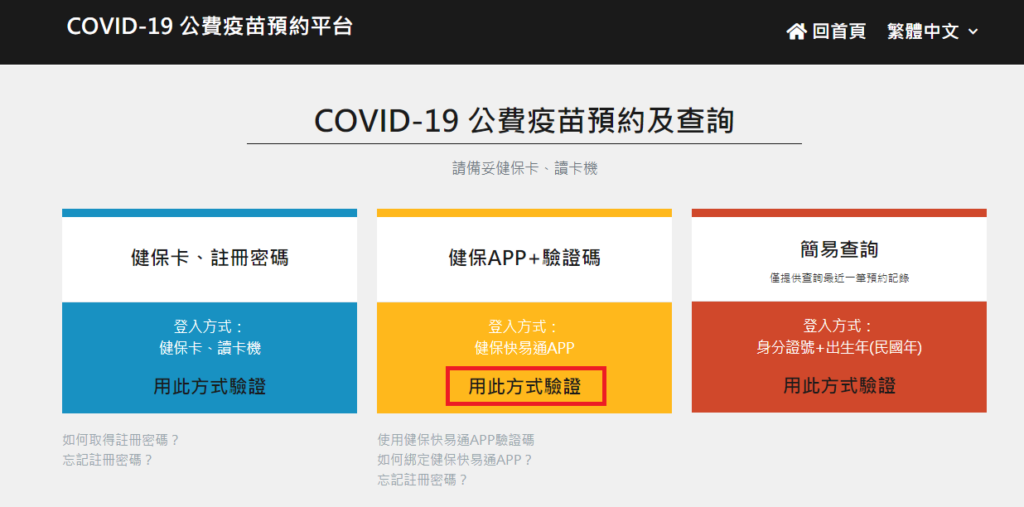
If you’ve already got the app, the steps seem incredibly simple. When the system is operational, you can click the COVID-19 Vaccine Appointment on your app:
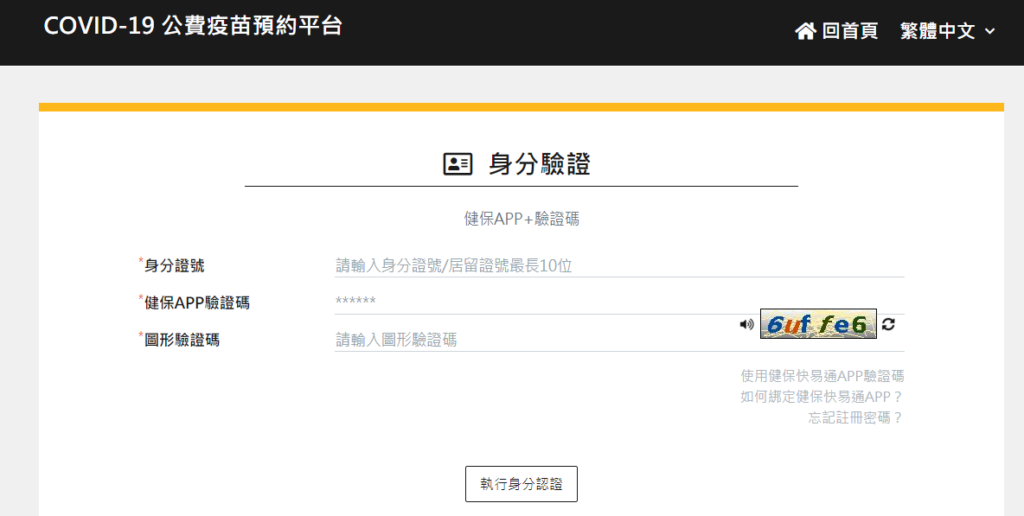
After checking your system requirements are up to scratch, it will prompt you to enter you ARC/ID number, the OTP code from your app and a captcha code:
To access the OTP code, you just go into your NHI app and click the OTP password option:
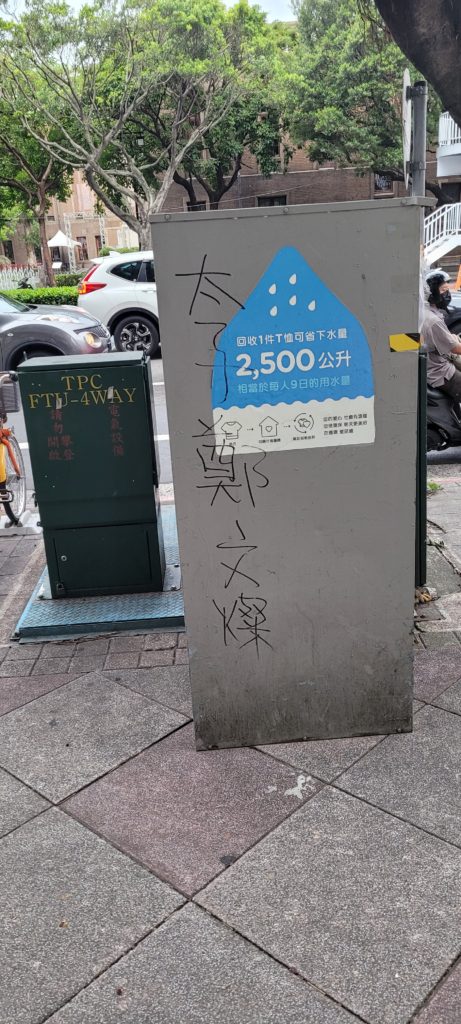
The fun thing about Taipei is that political opinions are often very in your face, whether it is a taxi driver going on about how the ruling party is driving the economy into the ground or a random bit of graffiti scrawled on a traffic box about the Taoyuan Mayor that piques your curiosity as to the context:
太子鄭文燦 Crown prince Cheng Wen-tsan
The frame of reference for this fantastic piece of “artwork” dates back to the words of Taipei City Councilor Lo Chih-chiang (羅智強) back in May. He suggested that there were double standards going on, in that the 1st Mayor of Taoyuan Cheng Wen-tsan (鄭文燦) had received special treatment when it came to the Novotel outbreak of coronavirus because of his favorable position in the ruling Democratic Progressive Party, as Lo put it he is a 「綠朝太子」 “the crown prince of the Green dynasty” – here green is a reference to the colors of the DPP vs the blue of the opposition KMT (Lo’s party). The accusation is that Cheng was able to push all of the responsibility on to the central government because of this special treatment, while other mayors got lambasted for doing the same. Lo then went on to taunt Taipei Mayor Ko Wen-je (柯文哲), asking him if he was jealous of this special treatment (an attack based on Ko’s tumultuous past relationship with the DPP).
Ko–who always seems to have a quip at the ready–.replied that if he’d pushed all the the responsibility to the central government, the situation would have been f*cked long ago and he doesn’t have it as easy as some (pointing no elbows at Cheng I’m sure).
Did the one-night stand you’d rather forget leave his/her charger in your room last night? Or is the parcel you just received from Shoppee not as advertised? Instead of queuing at the post office during working hours or making a shameful trek to the yellow line and having that awkward, “Wanna do it again?” “No, thanks! Here’s your charger! Bye!” chat in person, you can just send whatever you’ve got to a 7-11 near them.
You don’t have to buy a special bag or anything, just wrap it in a paper bag or reuse a box. You’ll need the recipient’s name, phone number and the name or number of the 7-11 of their choice, along with NT$60 for goods worth NT$0-1000, or slightly more for more expensive items (see below).
Step 1: Open the app:
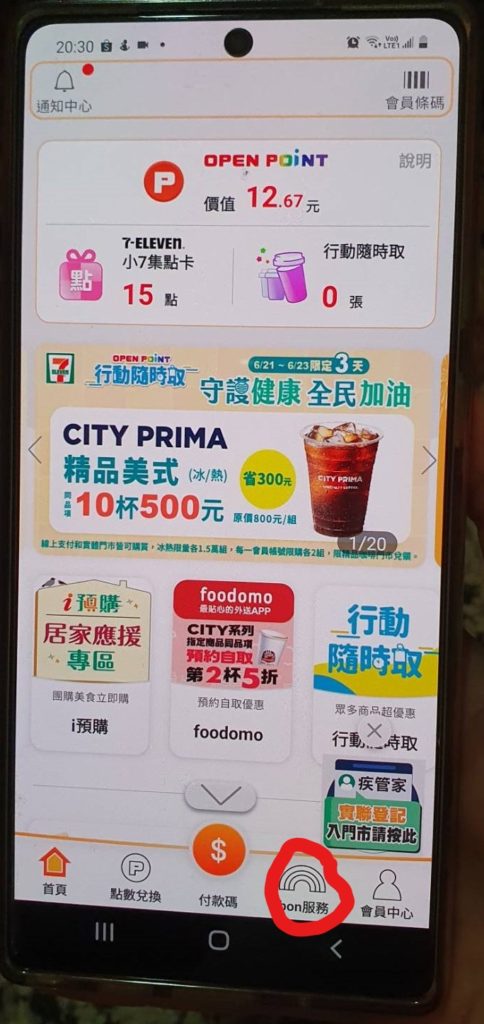
Step 2: Click the 「服務」 icon just to the right of the bottom center icon:
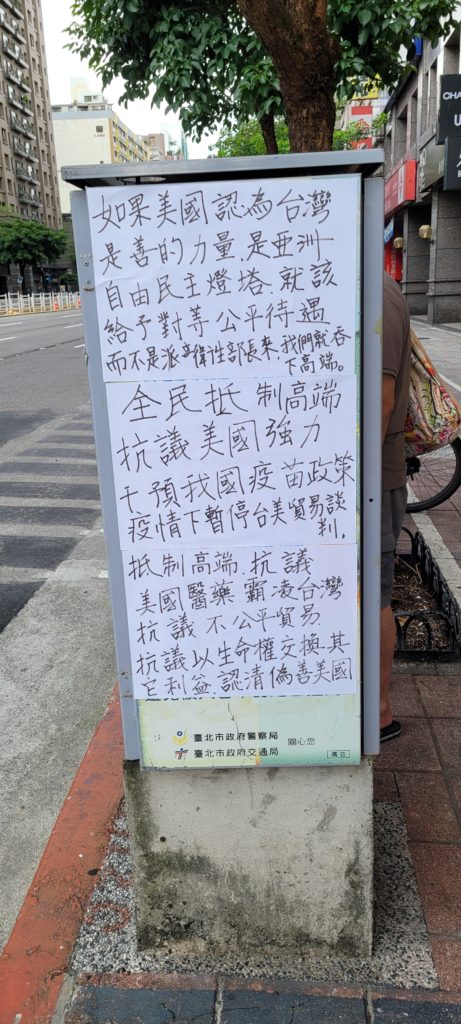
Saw this anti-American rant on my way to the shops today. Clearly someone’s out for attention. As the punctuation is a bit of a mess, I’ve tried to interpret the most likely meaning, but welcome any corrections.
If the US thinks Taiwan is a force for good, and a beacon of freedom and democracy in Asia, they should treat us as equals. We shouldn’t accept the Medigen vaccine, just because they sent the health secretary. Everyone should resist Medigen and resist the US strong-arming its way into interfering in domestic vaccine policy and not halting Taiwan-US trade negotiations during the pandemic. Boycott Medigen, resist US medicine’s bullying of Taiwan, resist unequal trade, resist the right to life being exchanged for other interests; See the fake kindness of the US for what it is.
To be honest, this kind of rant is not uncommon on social media platforms in Taiwan, I just thought it was interesting to see it posted over a traffic box.
I also thought it was slightly ironic that the poster used the Japanese variant of 「亞」(亜), given that people with this kind of anti-American stance, are usually very anti-Japan too.
The views expressed above are just an observation, and do not represent my own views.
The internet has brought us all sorts of newly coined terms, like 「五毛」 (Wumao/Five centers/internet users paid to promote PRC talking points), 「小粉紅」 (young jingoistic Chinese netizens) and others. But one that keeps coming up recently is 「反串」fǎnchuàn which is actually a repurposed opera term, originally meaning to play a character deviating from your normal repertoire.
But in the hostility-laden world of cross-strait social media interactions, it’s used to indicate deliberately posing as the enemy or opponent online, either to discredit their arguments, destroy their image or go so extreme that even the people on their side get put off. This is the social media equivalent of a bad guy impersonating Superman and kicking a little boy in the shin on camera. An alternative use is satire, mocking of the way the other side argues their case.
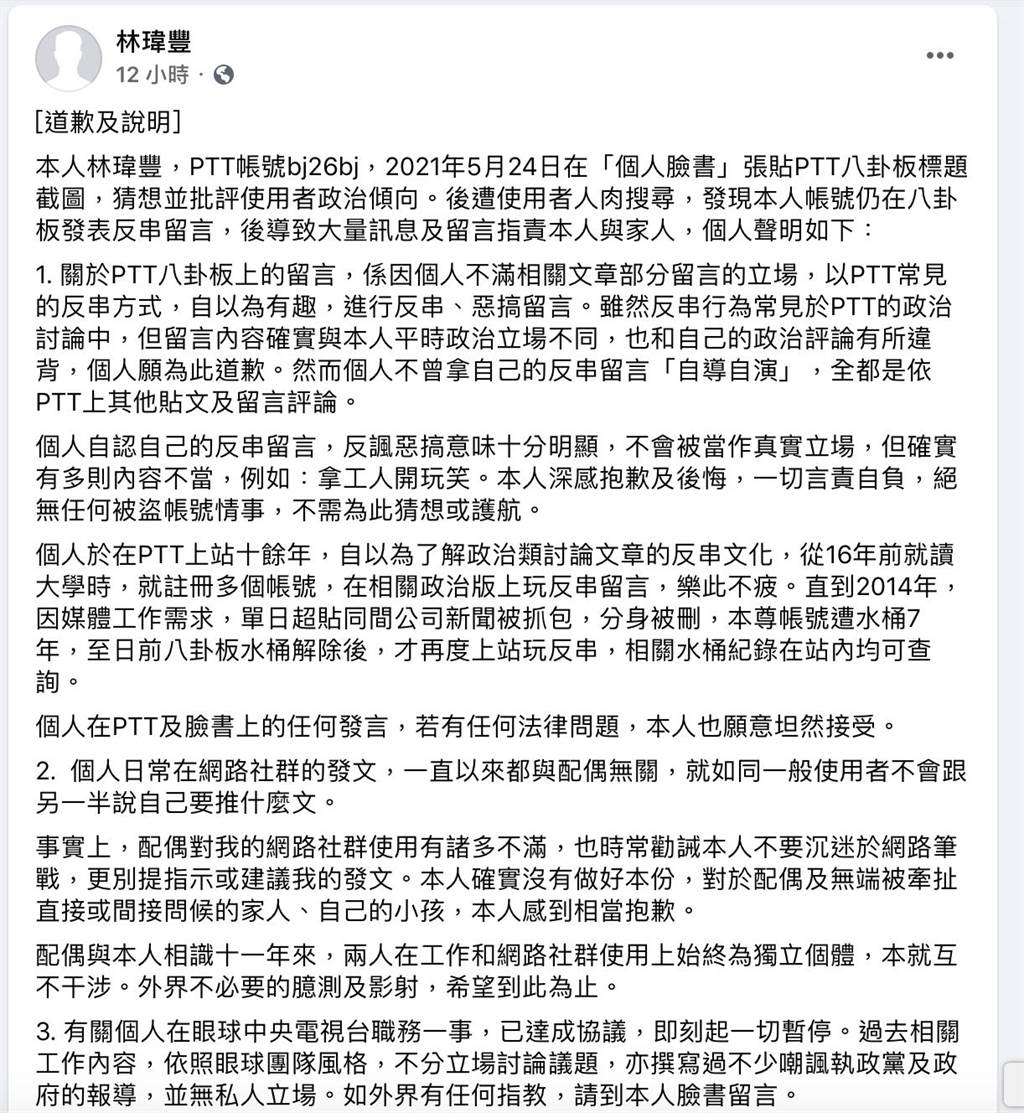
The latter seems to be what Lin Wei-feng, the husband of the deputy director of the DPP’s social media operations center, is claiming he was doing when he took to Taiwan’s popular bulletin board system PTT (which has been closed to new registrations for a while now due to suspected infiltration by Chinese trolls) to tell people to block or delete the Centers of Disease Control’s Line account on their phones and spreading a range of other disinformation. In what some (the KMT mostly) presume was a stage-managed gesture, DPP Legislator drew attention to the posts stating that PRC collaborators had infiltrated the platform and added that fake versions of the CDC Line app were being used to spread disinformation online. Lin’s apology refutes the idea that this was a DPP plot in a “so cringy it has the ring of truth” apology he posted to Facebook, which includes lines like “In fact, my partner has often expressed annoyance at my use of social media, and has advised me not to get caught up in wars of words on the internet.”:
This whole story was summarized recently by one of my favorite Taiwanese internet celebrities Potter King, in which he rightly states, that just because in this case it was a Taiwanese person behind the “disinformation,” doesn’t mean that China isn’t engaged in disinformation campaigns against Taiwan. Lin’s actions have made it all the more difficult for the DPP to make this case without the political baggage that he’s added to it being brought up over and over again.
The moral of the story is, even if you think you’re being extremely witty on the internet, don’t spread anything that could be interpreted as disinformation (especially when your wife works for the party currently in power).