Taiwanese phrase of the day: If there’s no fish, shrimp’s ok too 無魚,蝦嘛好 bô hî, hê mā ho

111223

無魚, 蝦嘛好    (Click each syllable for pronounciation or click below for whole phrase)

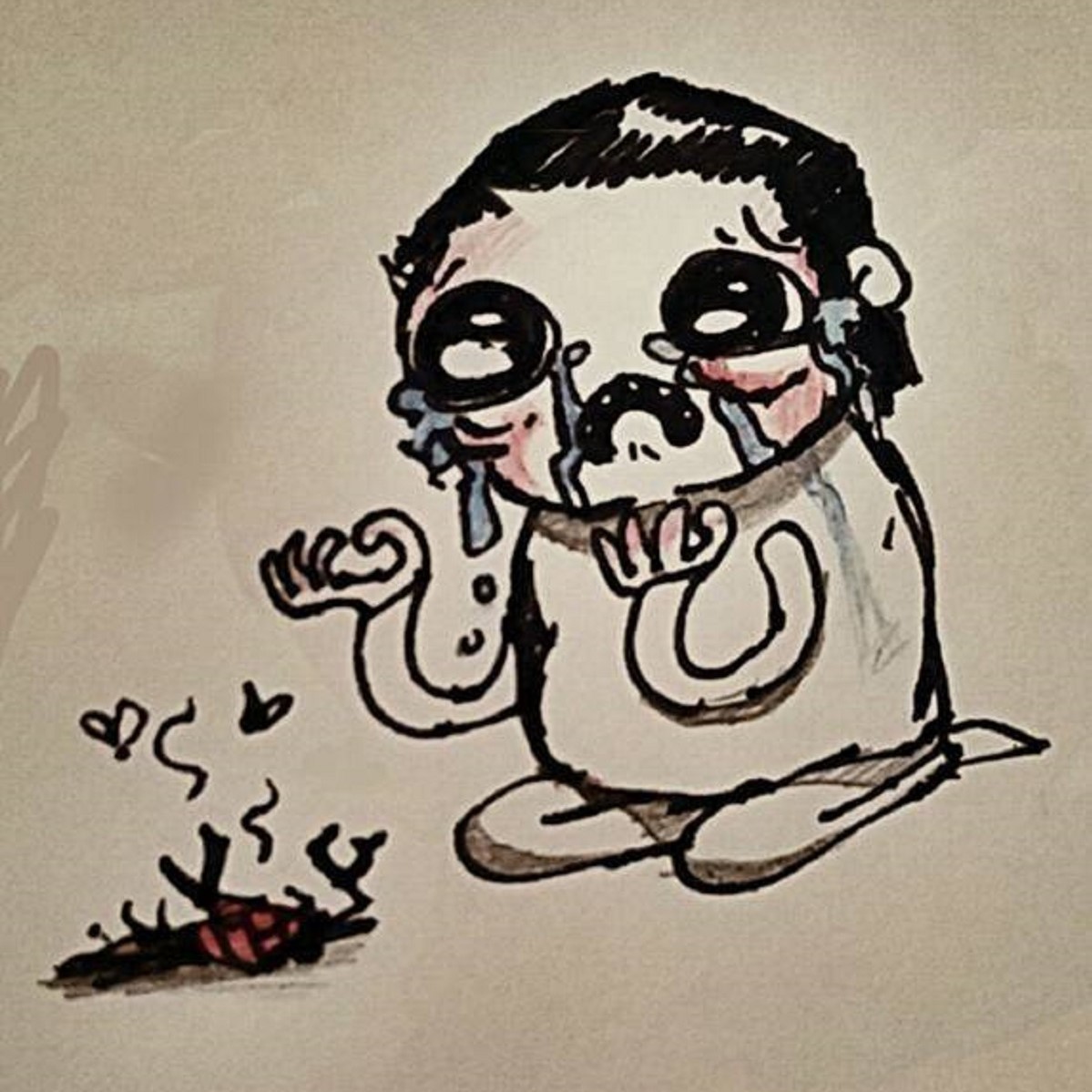
This phrase basically means, “something’s better than nothing,” rather loosely illustrated here in a drawing by Arvid Torres (you should have been happy with the shrimp). It can be used to refer to someone’s partner too, as in, “he really scraped the bottom of the barrel with that one,” as used in Taiwanese author Li Ang’s latest novel, to portray the racist and misogynist tendencies of Taiwanese men in the anti-government pro-democracy protests of the 1980s:

陳英俊因一般女性仍不敢靠近,基本上沒有太多的選擇,加上林慧淑頗具吸引力的姿色,很快的確定了兩人的關係。

(As no normal women [Lin Hui-shu is the product of a mixed marriage between a mainland soldier and an aboriginal woman] dared to be associated with Chen Ying-jun, he really didn’t have much choice, and as, Lin Hui-shu was really quite attractive, the two quickly entered into a relationship.)

雖然偶有政治犯同學戲稱他無魚蝦也好,但多半是羨慕又帶嫉妒。 (Although some of his political prisoner comrades joked with him that he was really scraping the bottom of the barrel, most admired him with a little bit of jealousy mixed in.)

You’ll note that she uses it directly as an adjective here, Subject + adjectival phrase.

This phrase also works in Mandarin – hurrah!
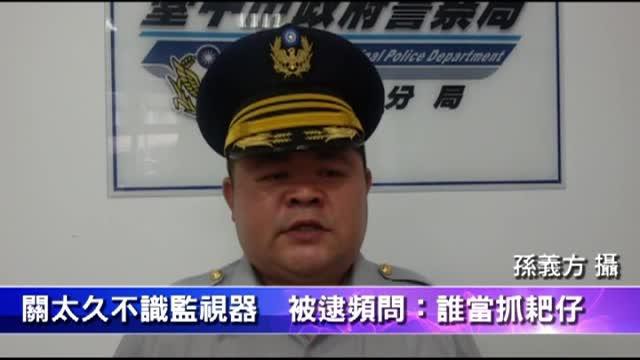
Taiwanese phrase of the day: A tattletale/an informant 抓耙仔 jiàu-pê-á

640x360

As I mentioned in a previous blog post, I’ve been reading《路邊甘蔗眾人啃》(Everyone nibbles on sugar cane at the edge of the road) by Li Ang (李昂). The book has already thrown up a few interesting phrases in Taiwanese, such as 抓耙仔 jiàu-pê-á – which can mean tattletale in a playground context, or informant, or just someone who gives away someone’s secrets, although it literally means a tool used to scratch one’s back).

The first sound is somewhere between a j and an r.

I’ve give the context below for those interested:

「妳以前睡過那麼多男人,都很好?」 (You’ve slept with so many men, were they all good in bed?)

林慧淑知道「黨外無袐密」,她自己也說,也有那些特務、抓把仔會通風報信好藉此羞辱他。 (Lin Hui-shu knew that there were no secrets amongst the opposition to the government, she said it herself, and there were spies and informants who would reveal the information to shame him.)

Phrase of the Day – Duck hears thunder 鴨仔聽雷

3287450134_1fe1979072_z
 鴨仔聽雷 ah-á thiaⁿ lûi

A very apt description for the way some people have looked at me when I try to speak Taiwanese to them, somewhat equivalent to “like a deer in the headlights”, but in reference to hearing something that you can make neither head nor tail of. It’s nice that it conjures up a very specific image in your head. Suggested use – if you can get it out and be understood – is to use it to break the ice after a Taiwanese friend looks at you like a duck hearing thunder.

I will update the google doc soon. Feel free to contribute phrases you’ve heard, songs you can sing in Taiwanese, or recordings of you speaking Taiwanese.

(No ducks were harmed in the making of this post)

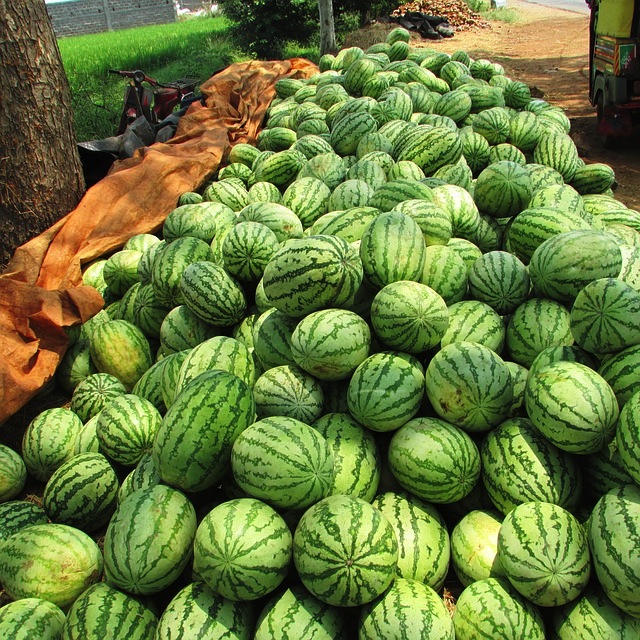
Phrase of the Day – Watermelons rest on the largest side 西瓜倚大傍

watermelon-331276_640
西瓜倚大傍 si-koe óa tōa-pêng (Click syllable to hear pronunciation)

I like this phrase quite a lot as I always picture a watermelon rolling and then falling on its heaviest side. It’s used as a metaphor to say that people generally tend to side with those who will benefit them (as opposed to choosing through justice or impartiality), it can also suggest populism or going with the crowd. Below I’ve compiled two super short clips of Wu Nien-zhen’s Human Condition (《人間條件》)in which this phrase is mentioned. I don’t own the copyright to the video and am using the clips for purely educational purposes. Here the woman speaking uses a variation of the phrase: 吃西瓜倚大傍 ﹣ although the 倚 is commonly rendered phonetically as 挖 – which sounds closer to the Taiwanese pronunciation of 倚, which is pronounced “yǐ” in Mandarin. The 旁 is also commonly written as 邊, because it’s closer to the meaning of the phrase in Mandarin. In both cases the whole phrase is used as an adjective.

In the first clip she says: (吃)西瓜倚大旁的個性lóng(攏/都)無改變呢啊!chia̍h si-koe óa tōa-pêng ê kò-sèng lóng  kái-piàn nih ah   and in the second she says 按呢(這麼)吃西瓜大án-ne chia̍h si-koe óa tōa-pêng?

http://youtu.be/a-yh6Du_XOs

Again, be careful how you use this phrase, as careless use can offend strangers.

I’ve updated the google doc, for those interested


Phrase of the day – Dead man’s bones 這是什麼死人骨頭?

file_5676134be131b

這是啥物死人骨頭? chit sī siánn-mih sí-lâng kut-thâu?

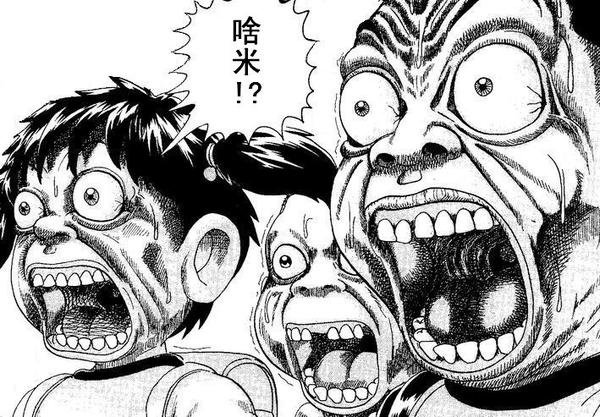
Note: 啥物, sometimes written phonetically as “蝦米” means 什麼 in Mandarin or “what” in English

My coworker told me about this phrase recently, meaning “What the heck is this?”, or “What’s this nonsense?”, though it literally means “What kind of dead man’s bones are these?” – kind of equivalent to “這是什麼鬼?” in Mandarin. It can be used for comic effect, when someone does, has, wears or says something weird:

For example when looking at the “Retrospective tea” advertised on a sign at a Gongguan teashop featured above, one might ask one’s friend: “這是啥物死人骨頭?”

Beware though, it can be offensive if you use it on strangers.

Here’s the updated Google doc, noting patterns between Mandarin and Taiwanese or lack thereof.