Guerrilla Veganism in Taiwan

I was quite surprised to get this leaflet through the mail earlier today. At first thought it was an advert for a vegetarian restaurants, but looks like it’s just aimed at promoting vegetarianism/veganism in Taiwan:
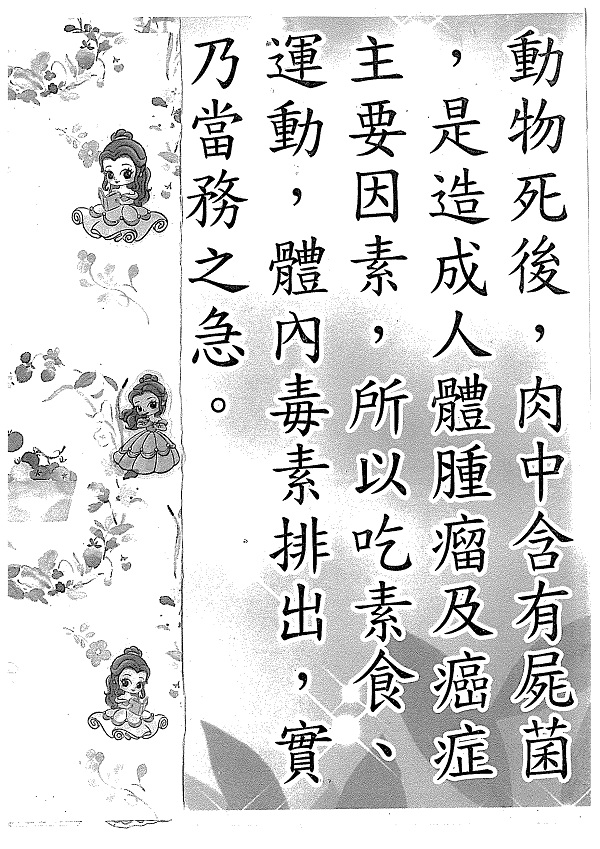
「動物死後,肉中含有屍菌,是造成人體腫瘤及癌症主要因素,所以吃素食、運動,體內毒素排出,實乃當務之急。」

“After animals die, their flesh contains germs which are the leading cause of tumors and cancer in the human body. So eating a vegetarian diet and exercising to expel these toxins is really of the utmost importance.”

Interesting to find out who is behind this propaganda effort, as there are no clues on the leaflet itself.

This post is not an endorsement of the message of the leaflet or the pseudo-scientific claims therein, purely posted for curiosity (which killed the cat and subsequently led to toxins infecting said cat’s flesh…).

DIY Variants: Excellent!

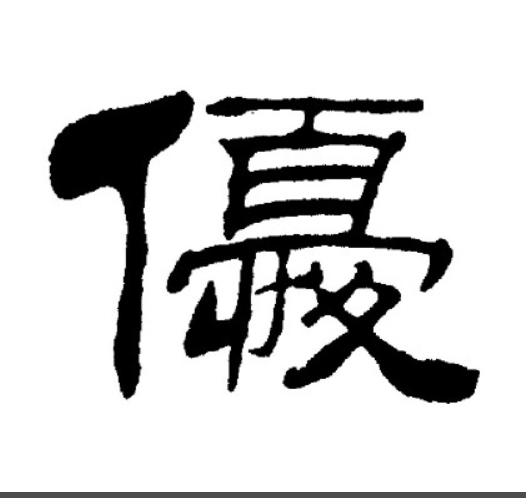
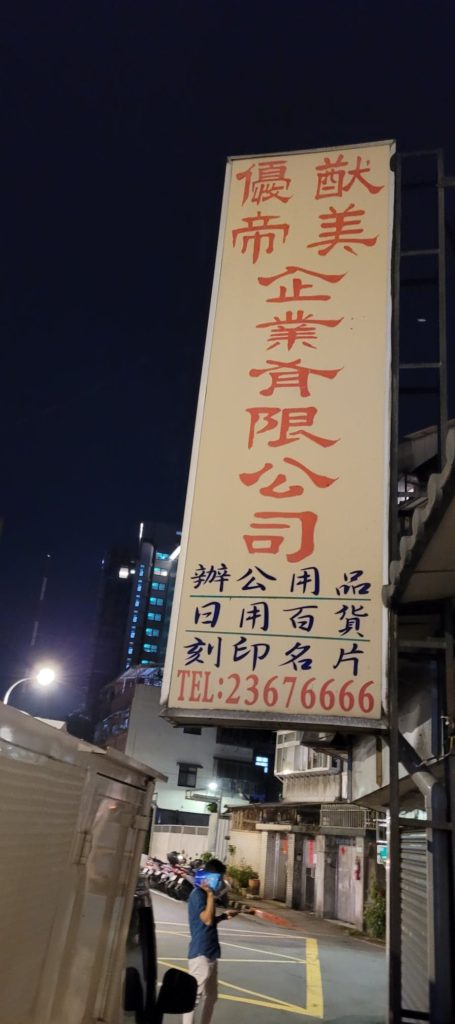
I spotted this intriguing-looking character on a signboard on a road I have walked down a million times before. It looks like a cross between 「優」(yōu/excellent) and 「收」(shōu/to receive):

Google tells me the name of the company–which sells office supplies and prints name cards–is 「猷美」(yóuměi), so the other two characters on the sign seem decorative. If anyone has solved this mystery before or has any suggestions, let me know.

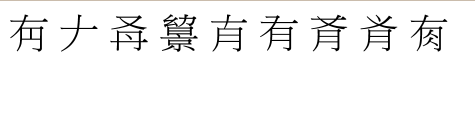
I tried the variant dictionary already and there does seem to be a wide variety of different forms of 「優」, none I saw though replaced the 「心」and 「夂」 with a 「收」though:

Update: Thanks to jdmartinsen for resolving the mystery, stating that the 「丩」 is likely a stylized 「忄」:

劉炳森寫的優

The 「優」 in the sign seems to resemble the style of calligrapher Liu Bingsen, as shown in this calligraphic database.

You can see that the 「有」 also employs a variant form, with 「𠂇」 written 「㐅」, similar but not identical to one of the variants listed below:

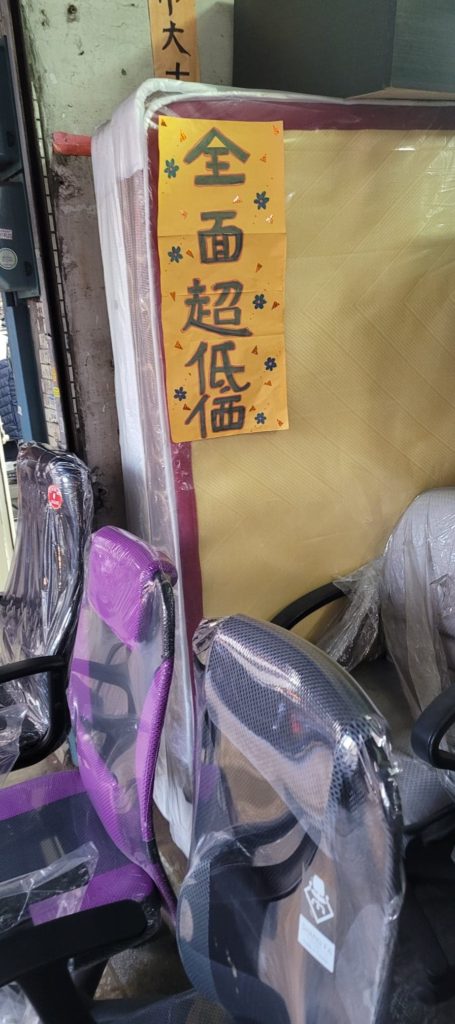
Another sign in a shop two streets away had this (rather more common) variant of 「價」(jià/price):

This simplified version of 「價」 is also the Japanese kanji version of the character, 「価」(か/ka). Cool to see the use of variants in action and perhaps Japanese usage influencing choice of shorthand in Chinese.